
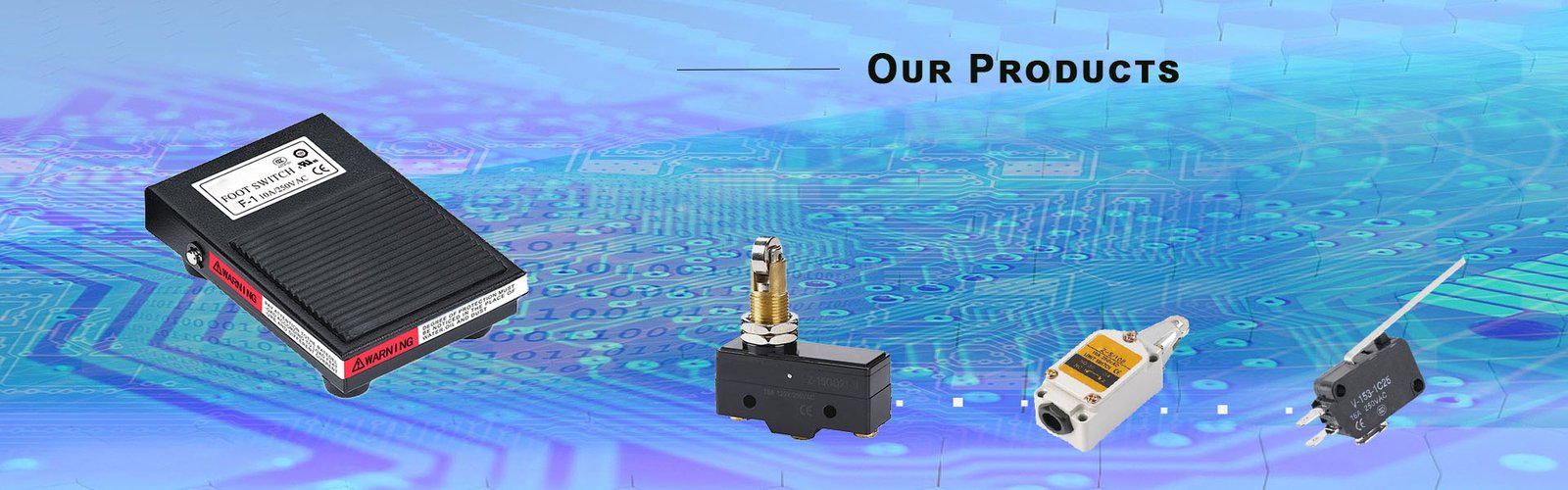
Limit Switch Guide for Automation.

Need a reliable limit switch to detect motion end points? Learn how this simple device stops over-travel and protects your machines.
Want to learn more about our products? You can click me.
A limit switch detects when a moving part reaches its end position. Think of a conveyor belt stopping at the right spot or a crane halting before hitting a wall. The switch sends a signal to your control system. Then the system stops the motor or reverses direction. This prevents damage and keeps operations smooth. Unlike proximity sensors, a limit switch uses physical contact. That makes it highly reliable in dusty or wet environments where electronic sensors might fail.
Most limit switches have a rugged enclosure rated IP65 or IP67. So dust and water jets won’t bother them. The operating head comes in several styles—plunger, roller lever, or whisker. For example, use a roller lever switch when a moving part slides past. Use a plunger style when something pushes straight in. Inside, the contacts handle up to 10A at 240V AC. Many models also include a snap-action mechanism. That means the switch changes state quickly even if the actuator moves slowly. This avoids arcing and extends the life of your switch.
You will find a limit switch on garage doors, elevator shafts, packaging lines, and robotic arms. Place one at each end of a travel path—like the far left and far right of a sliding table. For instance, mount a switch on a machine guard to confirm the door is closed. If the door opens, the switch stops the machine immediately. Another smart spot is a crane rail. A limit switch there prevents the trolley from rolling off the end. For outdoor cranes, choose a switch with a metal housing and rubber seals to resist corrosion.
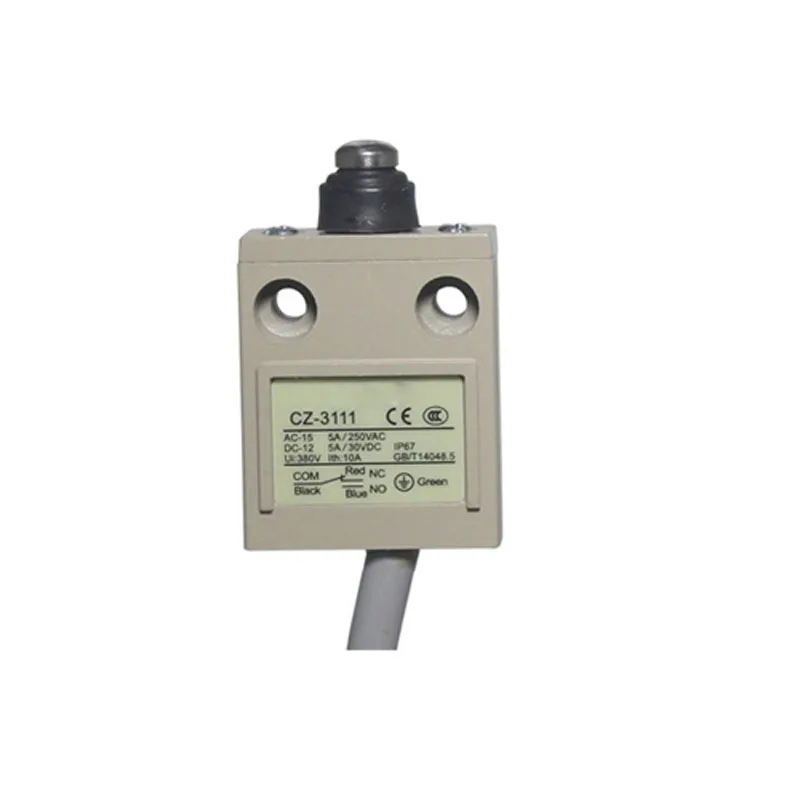
First, measure your travel distance and the object’s speed. Pick a switch with an operating head that matches your motion direction—straight, rotating, or sweeping. Next, check your electrical load. A 10A contact works for most small motors and control circuits. For heavier loads, use a limit switch with a 20A rating or add a relay. Also, consider the reset method. Some switches latch after tripping, and you must manually reset them. Others reset automatically when the moving part returns. Finally, test the switch after installation by running the machine slowly. Adjust the cam or actuator arm as needed. Follow these tips, and your switch will protect your equipment for years. Ultimately, this small device saves you from costly repairs and downtime. #limit switch # switch
China Electronic Switch Co.,Ltd.
Web:www.cnshuyi.com
Tel/Fax: 0086-577-62840011
WhatsApp: 008613355775769