
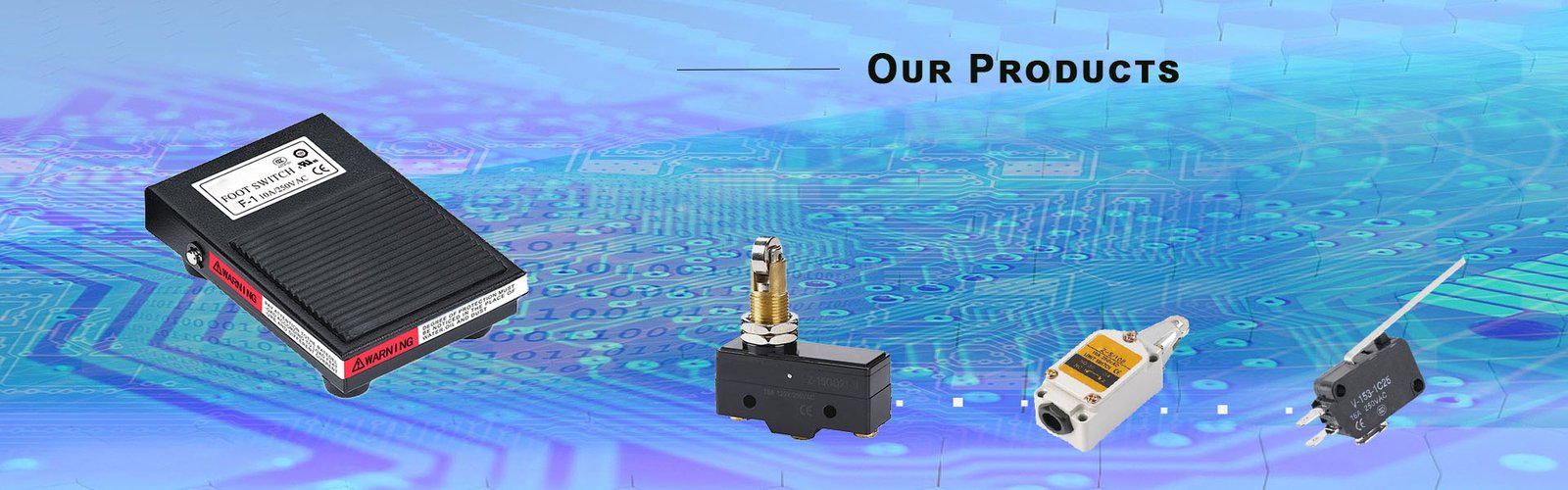
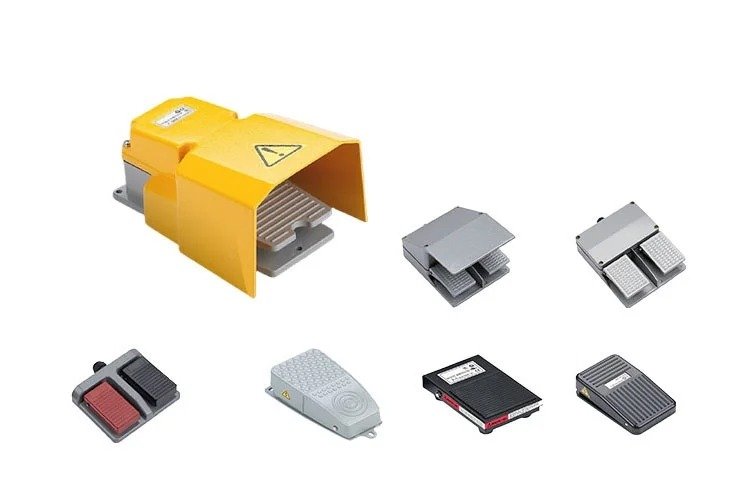
The high cycle life limit switch is engineered to withstand millions of actuations without performance degradation. Standard limit switches may fail prematurely in equipment that cycles dozens of times per minute. High-cycle variants use reinforced mechanical components and wear-resistant contact materials to maintain consistent operation over an extended service period.
Cycle life is measured by the number of mechanical operations a switch can complete before the actuator mechanism or contact system shows noticeable wear. Manufacturers specify this rating under defined test conditions including actuation speed and load type. The actual field life depends heavily on the application parameters and operating environment.
A switch rated for high cycle life provides predictable performance when equipment runs continuously across multiple shifts. This reduces the frequency of unplanned replacements and associated downtime. For production lines that cannot afford interruptions, selecting a high-cycle model is a cost-effective long-term decision.
Want to learn more about our products? You can click me.
The contact system is the core element determining cycle life. Silver alloy contacts with suitable contact force resist welding and material transfer under repeated make-break cycles. Contact gap geometry ensures reliable arc extinction during opening, which protects the contact surfaces from pitting and erosion.
The actuator mechanism uses precision-molded components designed for minimal friction and consistent travel. Return springs are selected for fatigue resistance so they maintain actuation force across millions of cycles. Pivot points and lever interfaces use materials that resist galling and wear under repeated motion.
Housing materials contribute to long-term durability as well. Engineering plastic formulations maintain dimensional stability under temperature variation and resist impact. Internal sealing prevents airborne contaminants from entering the contact chamber, which would accelerate wear and cause unreliable switching.
SHUYI validates each high cycle life limit switch design through accelerated life testing before production release. These tests run continuous actuation cycles until wear limits are reached, verifying that the published cycle rating is achievable under realistic conditions. Test data informs design refinements that improve durability over time.
In production, incoming component inspection ensures that contact materials, springs, and housing parts meet dimensional and material specifications. Assembly follows controlled procedures to maintain consistent actuation force and contact alignment across every unit. Final electrical and mechanical tests confirm that each switch meets performance targets before packaging.
Quality records are maintained to trace production batches back to component suppliers and test results. This traceability supports root-cause analysis if a field issue arises, and helps maintain product consistency over long production runs. Customers benefit from receiving switches that perform consistently across replacement units.
Packaging machinery operates at high cycle rates, with limit switches triggered hundreds of times per minute during filling, sealing, and sorting operations. A switch with insufficient cycle life would require frequent replacement, causing repeated line stoppages. High-cycle models handle these demands reliably over long production runs.
Textile and weaving equipment uses limit switches to detect thread breakage, carriage position, and fabric tension at rapid operating speeds. The switches must respond accurately to short-duration actuations without drift in switching position. Consistent performance across millions of cycles helps maintain product quality and machine uptime.
Printing and converting machines rely on limit switches for registration, sheet detection, and safety interlocks. These machines run continuously during production shifts, placing steady demands on every switching component. Selecting switches with adequate cycle life reduces maintenance workload and improves overall equipment effectiveness.

When selecting a high-cycle limit switch, compare the published mechanical life rating against the expected annual cycle count of the application. Add a safety margin so the switch reaches replacement at planned maintenance intervals rather than unexpectedly. Also consider the electrical load type, as inductive loads shorten contact life even with durable materials.
Proper installation protects the cycle life investment. Mount the switch on a rigid, vibration-damped bracket to avoid adding stress to the actuator mechanism. Adjust the actuator travel to stay within the recommended operating range, avoiding over-travel that accelerates wear on internal components.
Regular inspection during maintenance windows can identify early signs of wear. Check for changes in actuation feel, contact performance, or visible housing damage. Replacing switches that approach their rated cycle count during scheduled maintenance prevents failures that would disrupt production and cause unplanned downtime.
China Electronic Switch Co.,Ltd.
Web:www.cnshuyi.com
Tel/Fax: 0086-577-62840011
WhatsApp: 008613355775769
High Cycle Life Limit Switch#Construction Equipment Switch,switch,#switches,#zjshuyi,#cnswitch,#chinashuyi,#limitswitch,#micro switch